Victorian bridal jewelry carries a distinctive mix of romance, symbolism, and meticulous craft. Even when designs appear delicate, they were created to mark life’s biggest transitions and to last for decades. Brides wore pieces that felt meaningful items that could be gifted, adapted, and passed down so the jewelry often served as a wearable record of family milestones. Exploring these styles is useful not only for history lovers, but also for modern brides who want a look that feels timeless rather than trend-dependent.
The social meaning of bridal adornment in the nineteenth century
Weddings in Victorian Britain were public statements about family ties, values, and social position. Jewelry functioned as more than decoration: it communicated devotion, prosperity, and continuity. Gifts were frequently exchanged before and after the ceremony, and many brides wore pieces that had been owned by mothers or grandmothers. This tradition is one reason Victorian-inspired bridal sets still feel emotionally resonant today; they’re designed to carry sentiment, not just sparkle.
Materials and craftsmanship that shaped the look
Jewelry making evolved quickly during this era. Gold was widely used, often in warm yellow tones that flatter a range of skin undertones. Silver appeared too, especially when paired with diamonds, because it could make stones appear brighter in certain settings. Techniques such as engraving, repoussé, and fine beading details gave even smaller pieces a sense of richness. When you look at surviving examples, you’ll notice that many designs focus on depth and dimension rather than flat, minimal surfaces.
Beloved gemstones and why brides chose them
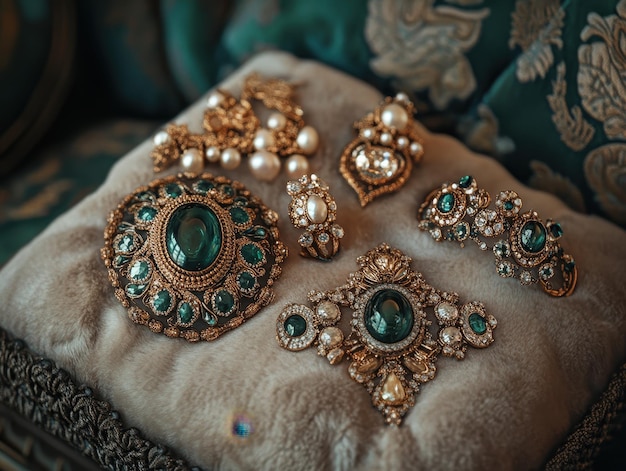
Victorian brides often favored stones that signaled loyalty, love, and good fortune. Pearls were strongly associated with purity and were popular in earrings, brooches, and hair ornaments. Diamonds symbolized endurance and were used in clusters, starbursts, and delicate accent work. Sapphires and rubies brought saturated color and were sometimes selected for personal meaning or family preference. In many pieces, victorian era fashion gems were arranged to emphasize contrast light against dark, clear stones framing a vivid center creating a look that reads romantic rather than overly modern.
Engagement rings and wedding bands of the period
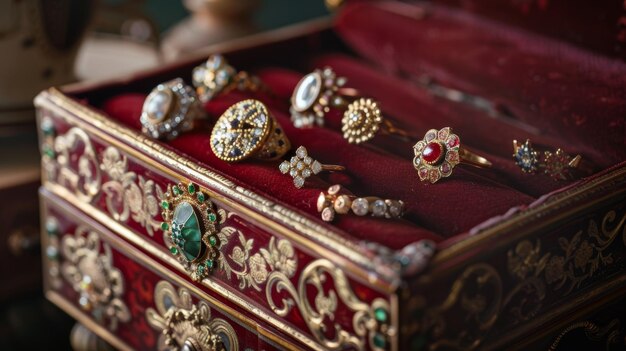
Victorian engagement rings often featured clusters, halos, and motifs such as hearts, flowers, or bows. Band widths were typically slimmer than many contemporary statement styles, making stacks and pairings more common than a single wide ring. Diamonds appeared, but colored stones were equally celebrated, especially when set in ornate metalwork. If you’re drawn to heirloom ring styles, look for elements like old-style cuts, engraved shoulders, and a gallery that’s decorative rather than purely functional; those details signal the spirit of the era even in newly made pieces.
Brooches, lockets, and sentimental bridal pieces
One of the most distinctive Victorian bridal choices was the use of sentimental jewelry. Lockets could hold a portrait, a lock of hair, or a tiny message. Brooches were worn at the neckline, pinned to a sash, or attached to a lace bodice, adding a focal point that photographs beautifully. Some families gifted a bride a brooch specifically for the wedding day, then it became a signature piece worn at anniversaries and special occasions. This tradition highlights how jewelry served as memory-keeping, not only as ornament.
Earrings and necklaces that complemented high necklines
Victorian bridal fashion often included higher necklines, lace collars, and intricate bodices, which influenced jewelry selection. Earrings became especially important because they framed the face without fighting the detail of the dress. Drop earrings with pearls, small diamonds, or gemstone clusters were common choices. Necklaces ranged from delicate chains to short strands that sat neatly above lace, while longer pieces were worn when the neckline allowed space. A thoughtful approach is to choose one primary focal area either earrings or a necklace so the overall look stays balanced.
Hair ornaments, tiaras, and floral-inspired accents
Hair decoration was a key part of Victorian bridal style. Brides wore fresh flowers, wax blossoms, and jeweled pins woven into updos. Tiaras and coronets appeared in wealthier circles, often echoing botanical themes like leaves and blossoms. These pieces created height and elegance, especially when paired with veils. Today, brides can recreate the effect with crystal combs, pearl pins, or delicate vine-like headpieces that mimic the era’s love of nature-inspired design.
Adapting Victorian elegance for modern ceremonies
Modern bridal styling often involves simpler dress lines, different lighting, and more movement throughout the day, so comfort matters. Choose pieces that won’t snag lace, pull hair, or feel heavy by the reception. If your gown is highly detailed, consider one standout item perhaps earrings or a locket and keep the rest minimal. If your dress is sleek, you can add a brooch, layered pearls, or a more ornate headpiece. During planning, incorporate jewelry styling tips by testing your full look in lighting similar to your venue and taking photos from multiple angles to ensure the jewelry reads clearly without overpowering you.
Conclusion
Victorian bridal jewelry remains influential because it combines artistry with meaning. Whether you love pearls, clusters of diamonds, vivid color accents, or sentimental lockets, the era offers a wide range of inspiration that still feels wearable. The most memorable bridal choices are the ones that suit the dress, the setting, and the bride’s personality pieces that look beautiful in the moment and still feel special years later when they become part of a family story.
 Site Title
Leave a comment